I will start by saying that the original idea for “homework menus” is from a post I saw on Twitter (as it was then) in 2014. Many thanks to Matt Stone for sharing his idea freely, as it led to my department transforming how we deliver homework in Key Stage 3.
The first couple of years of high school (before the shadow of choosing and sitting examination courses descends) is usually characterised by an immersive, experiential joy of all subjects. Pupils arrive eager for everything new and encouraging them to pursue their interests, when possible, can nurture this enthusiasm for your subject into something they retain always. Giving them complete freedom within lessons is obviously not possible or desireable most of the time, but homework is an untapped opportunity to let their imagination loose…and doing so brings many advantages.
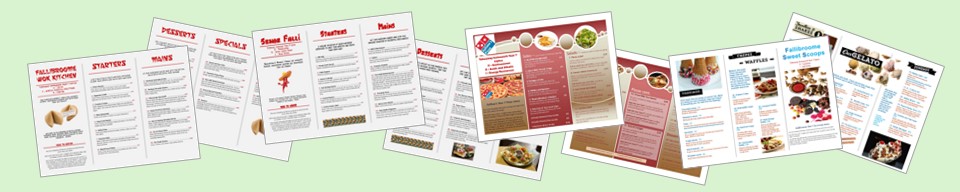
In the Science department at my school, we use “homework menus” in Years 7 and 8. These are presented in the style of restaurant menus, with titles, descriptions and prices of a wide variety of “dishes”.


Each menu covers around 8 weeks, so at a basic level pupils know they will need to choose 8 tasks from it. There are about 50 tasks on offer, so there is enough variety for everyone’s tastes.
The “mid-priced” items are designed to take 30 to 45 minutes and so constitute a “standard” homework task. However, the lower priced items take much less time, some maybe only 5 minutes. These ensure there are options available for pupils who lack confidence, etc, or they provide an occasional release valve for pupils who find themselves facing a string of concurrent deadlines across their subjects. The higher priced items are longer project-like tasks that pupils may choose to span over two or three weeks or to collaborate on with their peers.
Not having to set homework removes a regular task from the teacher, but the workload reduction is greater than that. When we “mark” the homework, we focus entirely on effort and this is usually delivered as a quick verbal discussion during the lesson when the pupil hands in the work (there needn’t be a formal deadline for the whole class, so work can come in as 5 or 6 per lesson).
We record homework on a central spreadsheet as a simple 1-2-3 score. A “2” is “expected level of effort” and is our default. A “1” means there was insufficient effort and this will have been addressed in the conversation. A “3” is”wow!”, and you know it when you see it. These pieces go on the wall and receive a praise sticker. As it is effort-based, everyone has an opportunity to have their work recognised in this way.
The 1-2-3 scores are used as multipliers against the menu price of the item, resulting in an overall total. Our spreadsheet keeps a running total for all of a pupil’s homework submissions and at the end of each term we publicly award Bronze/Silver/Gold certificates for passing certain thresholds, and a trophy to those with the greatest engagement.


In student-voice surveys, pupils are very motivated by the autonomy and the praise. And as teachers, receiving homework is truly a delight, as you can’t anticipate what imaginative submissions you’re going to get. We find the approach runs itself out by the end of the second year, sadly, but at that point we are ready to start introducing a more academic approach anyway.
Undecided? Why not try one menu for one term with one year group and then ask your pupils and your colleagues what they think?
